


Inside your eye is a natural lens that helps you see clearly. Over time, this lens can become cloudy. This cloudy lens is called a cataract, and it can cause:
- Blurry or foggy vision
- Difficulty seeing at night
- Trouble reading or recognizing faces
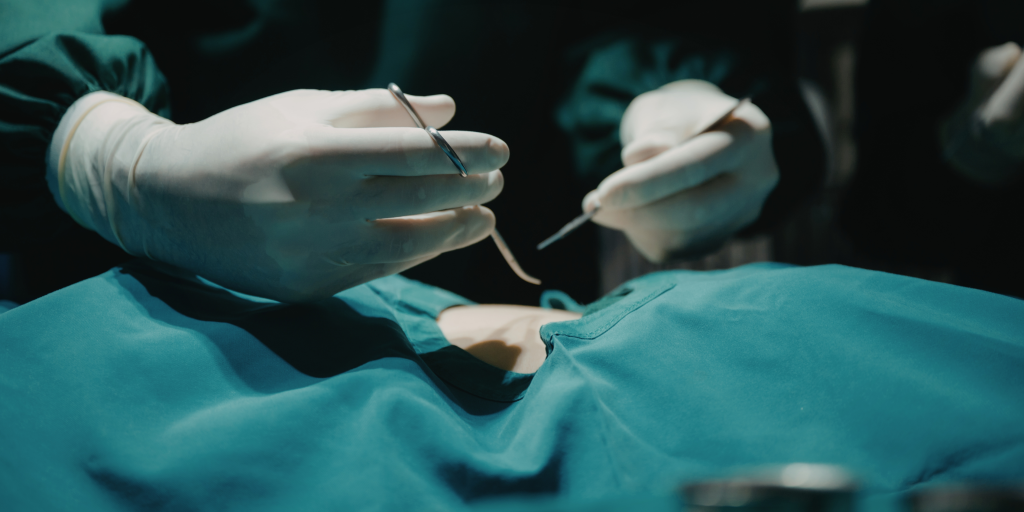
During cataract surgery:
- The doctor removes the cloudy lens
- A clear artificial lens is placed inside the eye
The surgery usually takes 15–30 minutes. It is done as a day-care procedure, so you can go home the same day. You will be awake, but your eye will be numb, so you will not feel pain.
How Long Does It Take to Recover?
Healing happens slowly over a few weeks, but most people feel better the very next day.
First 24 Hours After Surgery
Right after surgery, you may notice:
- Blurry or cloudy vision
- Mild pain, irritation, or a gritty feeling
- Watering of the eye
- Sensitivity to bright light
These feelings are normal and usually improve within one day. Your doctor may place an eye shield to protect your eye, especially while sleeping.
First Week After Surgery
During the first week:
- Vision becomes clearer each day
- Redness and irritation decrease
- You feel more comfortable
You can usually:
- Walk normally, watch television
- Eat regular food
- Do light household work
Eye drops are very important during this time. They help prevent infection and reduce swelling. Use them exactly as your doctor advises.
2 to 4 Weeks After Surgery
At this stage:
- The eye continues to heal from the inside
- Vision becomes more stable
- Most patients feel normal and confident
You can return to most daily activities, but still avoid heavy lifting and rubbing your eye.
4 to 6 Weeks After Surgery
By this time:
- Healing is usually complete
- Vision is stable
- Your doctor may prescribe final glasses if needed
Most patients are very satisfied with their vision at this stage.
What Is Normal After Cataract Surgery?
It is normal to have:
- Mild pain or discomfort
- Itching or watering
- Slight redness
- Blurry vision for a few days
These symptoms usually get better on their own. Do not rub your eye, even if it itches.
What Should You Avoid During Recovery?
To protect your eye and to allow healing properly:
- Do not rub or press on your eye
- Avoid lifting heavy objects or hard exercise for a few weeks
- Avoid swimming and dusty places
- Do not allow soap or water directly into the eye
- Wear sunglasses when going outside
Always follow your doctor’s instructions carefully.
When Can You Return to Normal Activities?
Most patients can return to daily life quickly:
- Walking and light activity: The next day
- Reading and watching TV: Within 1–2 days
- Driving: Only after your doctor says it is safe
- Work:
- Office or light work: 2–3 days
- Physical or outdoor work: 5–7 days
When Should You Contact the Doctor Immediately?
Call your eye doctor right away if you notice:
- Severe or increasing pain
- Sudden decrease or loss of vision
- Increased redness or swelling
- Flashes of light or many floating spots
These symptoms are uncommon but need quick attention.
Final Message for Patients
Cataract surgery recovery is usually smooth and trouble-free. Most people notice clearer vision within a few days and return to normal life quickly. Using your eye drops regularly and following your doctor’s advice will help ensure the best results.
At Clio Eye Care, your vision and comfort are our priority. If you ever feel worried or unsure during recovery, do not hesitate to contact your eye doctor. We’re here to support you every step of the way.