

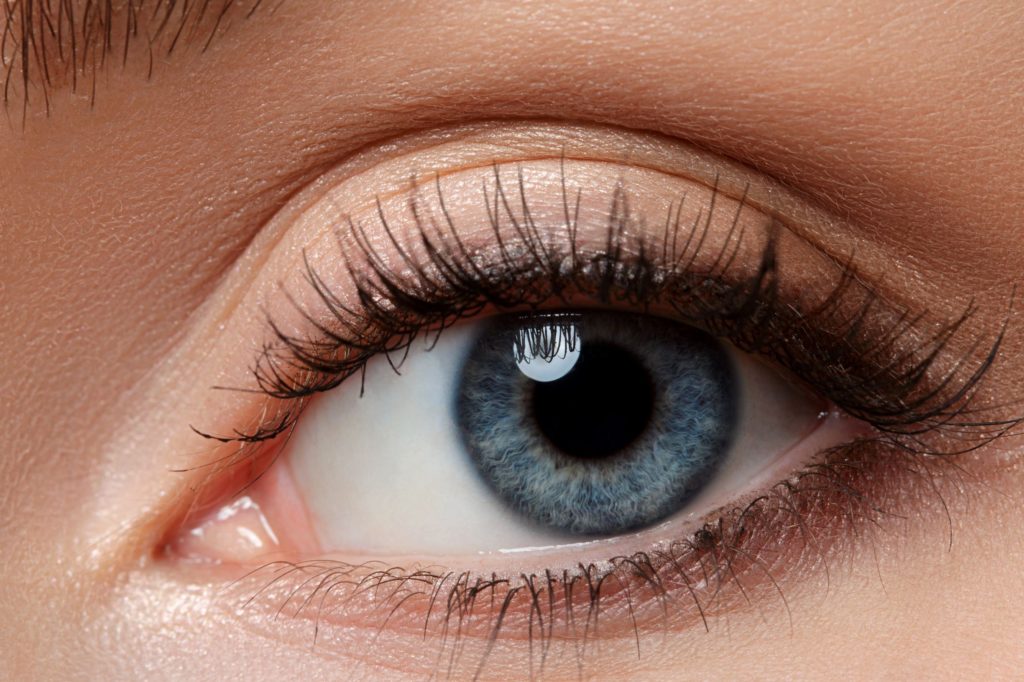
Dry eye disease is becoming increasingly common, especially with today’s screen-heavy lifestyles and exposure to air conditioning. It occurs when your eyes don’t produce enough tears or when the tears evaporate too quickly, leading to discomfort, redness, burning, and blurred vision.
Causes of Dry Eyes
- Dry eyes can develop due to a variety of factors, including:
- Prolonged screen time and reduced blink rate
- Age-related tear film changes
- Hormonal fluctuations (especially in women)
- Contact lens wear
- Certain systemic medications
- Environmental factors such as pollution, air conditioning, or dry climates
If left untreated, chronic dry eye can lead to inflammation of the eye surface and significantly impact vision and quality of life.
Diagnosis with IDRA Scan
At Clio Eye Care, we utilize the IDRA Dry Eye Diagnostic System, a state-of-the-art technology that provides a comprehensive assessment of tear film stability and meibomian gland health. The IDRA Scan measures parameters such as tear break-up time, lipid layer thickness, blink quality, and gland structure — allowing for a precise, personalized diagnosis of dry eye disease.
Comprehensive Treatment Options for Dry Eyes: From Artificial Tears to IPL Therapy
Dry eye disease is a multifactorial condition that affects the tear film and ocular surface, leading to symptoms such as irritation, burning, redness, and fluctuating vision. At Clio Eye Care, we believe in a personalized, evidence-based approach to managing dry eye, starting with an accurate diagnosis using advanced technology like the IDRA Scan and progressing to targeted treatment options based on the underlying cause.
1. Artificial Tears and Lubricating Eye Drops
For mild cases, artificial tears form the first line of treatment. These lubricating eye drops supplement the natural tear film, providing temporary relief from dryness and irritation. Preservative-free formulations are often preferred for long-term use, especially in patients with sensitive eyes or frequent drop usage.
2. Anti-Inflammatory Medications: Cyclosporine and Lifitegrast
Chronic inflammation of the ocular surface and tear glands plays a key role in dry eye disease. Topical immunomodulators such as Cyclosporine (Restasis®, Cequa®) and Lifitegrast (Xiidra®) help reduce this inflammation, improve tear production, and restore the natural balance of the tear film. These prescription drops are especially beneficial for patients with moderate to severe or autoimmune-related dry eyes.
3. Punctal Plugs
In patients where tears drain too quickly, punctal plugs are a safe and effective option. These tiny biocompatible devices are inserted into the tear drainage ducts (puncta) to retain natural tears on the eye surface for longer periods. This simple in-clinic procedure enhances tear retention and provides sustained comfort without the need for frequent lubricating drops.
4. IPL Therapy for Meibomian Gland Dysfunction
For patients with evaporative dry eye caused by Meibomian Gland Dysfunction (MGD), Intense Pulsed Light (IPL) Therapy offers a revolutionary, non-invasive treatment. IPL gently heats and unblocks the meibomian glands, improving the quality of the oil layer in tears and reducing inflammation around the eyelids. Regular IPL sessions can lead to lasting improvement in tear film stability and overall eye comfort.
Personalized Dry Eye Care at Clio Eye Care
At Clio Eye Care, Gurugram, we combine advanced diagnostics like the IDRA Scan with tailored treatment plans, ensuring that each patient receives the most effective therapy for their specific type of dry eye.
If you are experiencing persistent dryness, irritation, or watery eyes, schedule a comprehensive Dry Eye Evaluation today and experience lasting relief through advanced treatment options including Cyclosporine, Lifitegrast, Punctal Plugs, and IPL Therapy.