
Dry Eye Treatment
Advanced, Dry Eye Treatment Correction at Clio Eye Care
Our Services
Quick Consultation
Testimonials
Had a very good experience from the first consultation to the follow-up visits for my LASIK surgery. Dr. Aditi provides good information and details things really well. The staff is helpful and ensures timely reminders wherever needed. Best wishes to keep providing quality care services to their patients.
Types of LASIK Surgery
Dry Eye Treatment in Gurgaon/Delhi NCR
Dry eye is not just an occasional irritation. It is a chronic condition where the eyes fail to stay adequately lubricated, causing discomfort, fluctuations in vision, and surface damage.
At Clio Eye Care, we believe in diagnosing why your eyes are dry, not just treating the symptoms. Our advanced dry eye workup ensures that you will receive personal care.
Do not just treat the symptoms. Address the tear film using Advanced Dry Eye Diagnosis and IPL Therapy at Clio Eye Care.
What is Dry Eye?
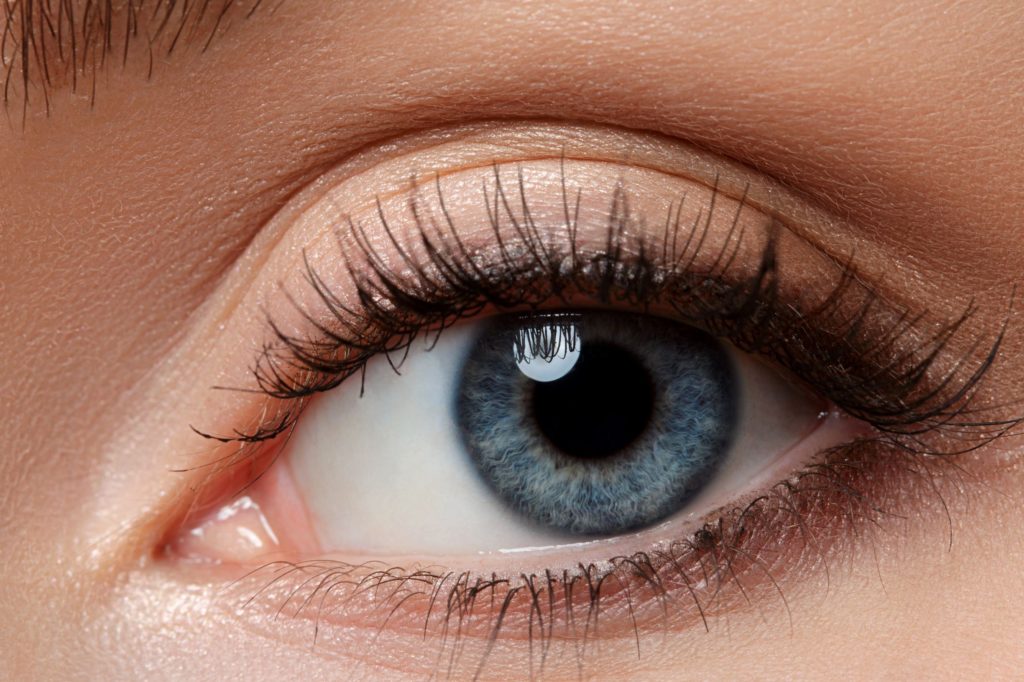
Dry eye disease (or dry eye syndrome or keratoconjunctivitis sicca) is a widespread diagnosis in which tears either are too few or dry too quickly. The tear film typically helps in pretty much everything, like lubrication, nourishment, and protection of the ocular surface. If the quantity or quality of the tear film is compromised, such an event would lead to dryness, inflammation, and surface jeopardy on the eye.
The tears have a layered structure:
1. Lipid (oil) layer: Secreted by Meibomian glands. Prevents evaporation.
2. Aqueous (water) layer: Secreted by the lacrimal glands. Provides moisture and nutrients.
3. Mucin (mucus) layer: Secreted by the conjunctiva. It helps the tear film to spread
uniformly over the cornea.
Any imbalance of these layers (less lipid, less aqueous, or poor mucin layer) renders the tear film unstable and stresses the ocular surface. Dryness, if left untreated or poorly managed, can cause chronic inflammation that further leads to the corneal surface getting damaged by means of abrasions and ulcerations and in worst cases, blurred vision.
Symptoms of Dry Eye
A Dry Eye can manifest with any number of symptoms, from mild to occasional or severe and frequent.
Recognized common symptoms are:
- Gritty, sandy feeling, like a foreign body in the eye
- Stinging, burning, or irritating sensations in the eyes
- Red eyes
- Photophobia
- Blurred and then suddenly impinged vision
- Ropystringy mucous deposits either inside or outside the eyes
- Excessive tearing (reflex tearing)
- Itching, tiredness, or eye strain
Difficulty reading or working on a computer for extended hours Since the disturbance may
be several forms of irritation or allergy, it is better to get an opinion of a medical practitioner than to self-diagnose.
Causes & Risk Factors of Dry Eye
Dry eye disease is multifactorial: there could be many possible causes behind it. A few common causes and risk factors include the following:
1. Evaporative & Meibomian Gland Dysfunction (MGD)
If Meibomian glands in eyelids do not secrete enough oil or secrete poor quality oil, the tear film loses the lipid barrier and evaporates too fast.
2. Aqueous Tear Deficiency
When these glands either do not secrete aqueous fluid or do less so because of mechanical gland dysfunction or an autoimmune disorder, the volume of tears is insufficient.
3. Age & Hormonal Changes
Age has the greatest risk; bilateral changes associated with hormone modification in women during menopause shall predispose to dry eye.
4. Environmental Factors
- Potential causes include low humidity, dry conditions, or being windy.
- Sources include a/c, furnaces, forced air vents.
- Smoke, dust, or pollution.
- Prolonged Screen Time & Blink Inhibition
- Gazing at computer or smartphone screens reduces the blink rate and causes incomplete blinks, which adversely affects the stability of the tear film.
5. Medications & Systemic Conditions
Tear secretion if reduced by systemic diseases like rheumatoid arthritis, thyroid disease, Sjögren’s syndrome, etc. or by some other drugs like antihistamines, isotretinoin, and diuretis.
6. Ocular Surgery and Contact Lens Use
Refractive surgeries like LASIK may temporarily hamper tear production. On the other hand, prolonged usage of contact lenses can put stress upon the ocular surface along with the stability of its tear film.
7. Eyelid Abnormalities and Inflammation
Conditions such as blepharitis, entropion, or eyelid laxity can interfere with the ability of the eyelid to close or alter the function of its glands, hence disturbing tear film stability.
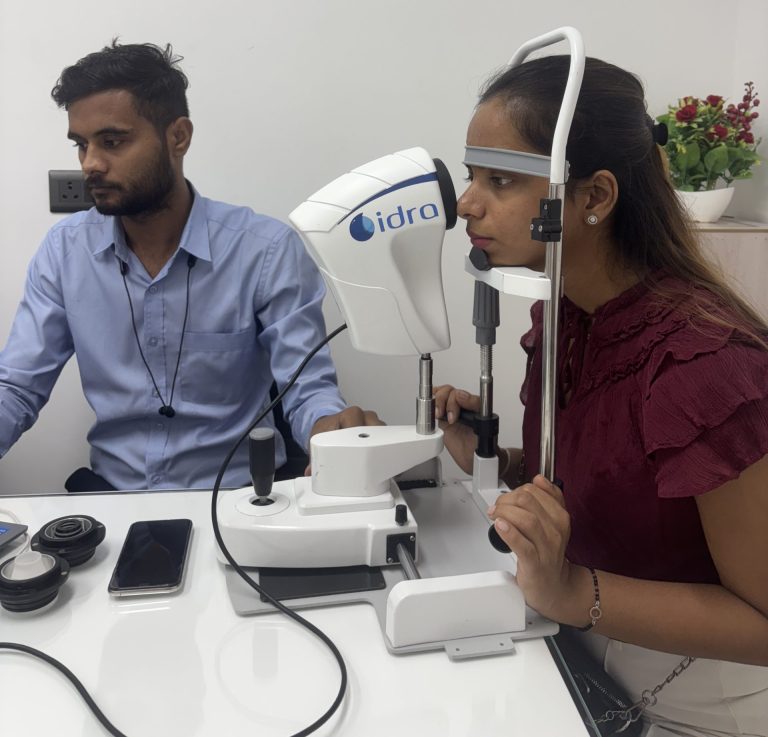
Diagnosis & Clinical Evaluation
At Clio Eye Care, the emphasis is and always has been on performing a detailed dry eye workup employing both traditional and advanced diagnostic techniques. Once it is properly diagnosed, targeted and patient-specific therapy goes a long way.
1. Clinical History & Symptom Assessment
First, we take a really detailed history: When did the symptoms begin? What is the severity? What kind of factors aggravate or relieve the symptoms? What treatments were given before? Has ocular surgery been done? What systemic diseases does the patient have?
What other medications is he or she taking? How much time does he or she spend on digital devices? Other environmental exposures? Symptom questionnaires like OSDI or DEQ-5 give an idea about Severity.
2. Slit Lamp & Ocular Surface Inspection
Under magnification, the examination of eyelids, Meibomian glands, tear meniscus height, conjunctival redness, corneal staining (with dyes like fluorescein, lissamine green), and eyelid margins is done.
3. Schirmer’s Test
A classic test measuring tear production wherein filter paper strips are placed tips in the lower eyelid. The wetting of these strips needs to be measured after five minutes. Low values are indicative of aqueous deficiency.
4. Non-Invasive Tear Break-Up Time (NI TBUT)
It is a test to check how fast the tear film breaks up without the use of dyes. A fast TBUT implies that the tears are unstable, mostly due to lipid layer deficiency.
5. Corneal Staining
Now using a fluorescein dye, to differentiate between localized or diffuse damage, we look
at corneal epithelial damage, and staining patterns.
6. Meibography / Infrared Imaging of Meibomian Glands
We image the structure and morphology of Meibomian glands in both eyelids. Gland loss or dropout is a prominent manifestation of gland dysfunction.
7. Tear Osmolarity / Biomarker Tests
The tear osmolarity test measures the salt concentrations in tears, while an elevated level corresponds to hyperosmolar stress. In other cases, inflammatory biomarkers (MMP-9, for instance) may be tested if needed.
8. Tear Film Analysis / Interferometry
Using interferometric devices, the thickness and quality of the tear lipid layer are measured, which assists in evaluating the integrity of the lipid component.
9. Advanced Dry Eye Workup at Clio
At Clio Eye Care, IDRA and meibography is incorporated into dry eye evaluation as necessary. These cutting-edge diagnostics create a detailed map of your tear film, Meibomian glands, and overall ocular surface health, enabling us to design truly personalized treatment plans.
By combining these advanced imaging and functional tests with traditional methods such as Schirmer’s test, slit lamp examination, and TBUT, we gain a complete picture of your dry eye condition.
For more details:- Dry Eye Treatment
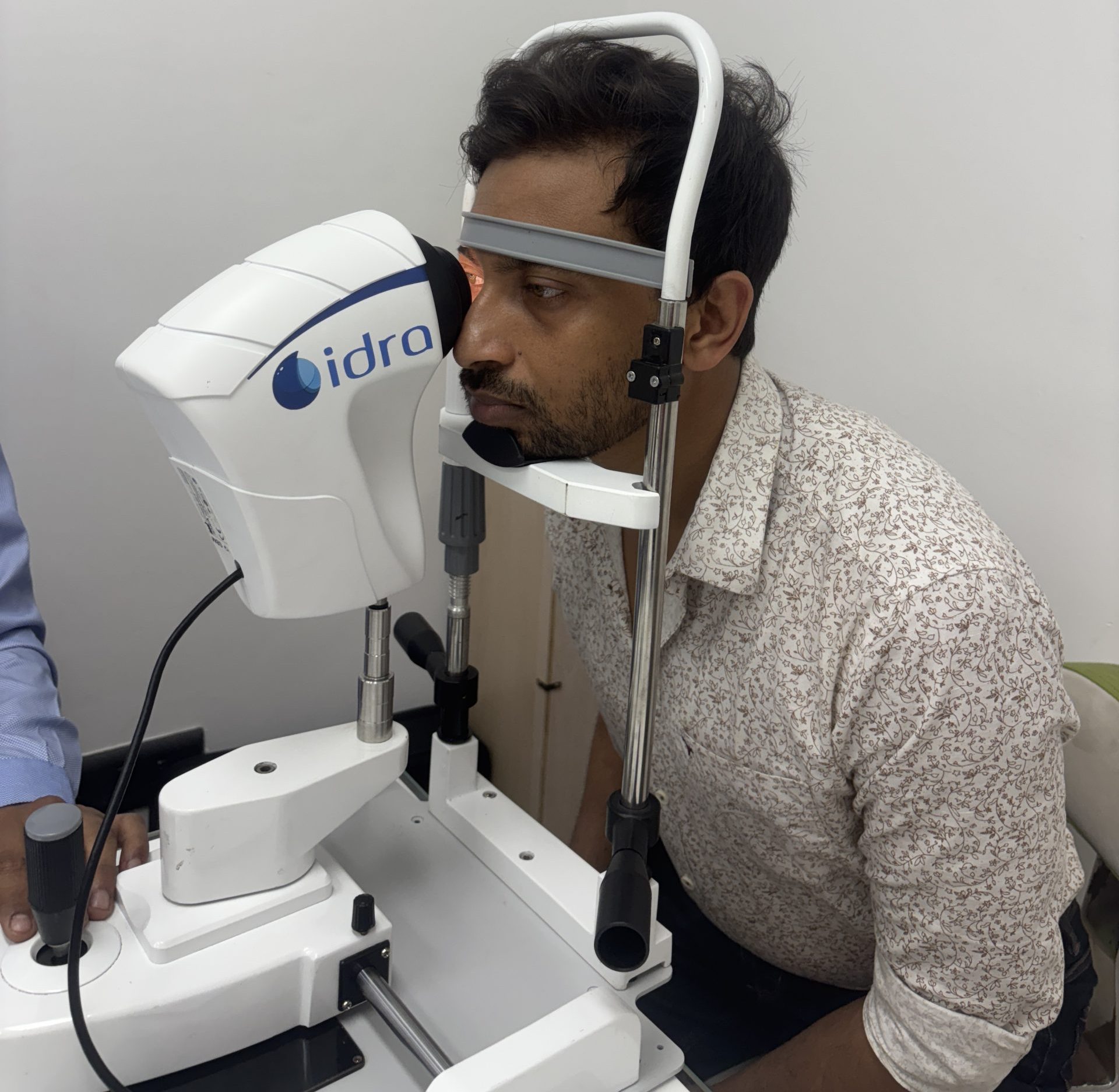
Treatment & Management
Treatment varies with mechanisms and severity. Therapy changes from a medical to an interventional process, starting always with the least invasive method at Clio Eye Care.
1. Lifestyle & Supportive Measures
These are the first measures taken to reduce stress on the tear film:
• Eat a balanced diet and drink plenty of water
• Use humidifiers inside
• Take distractions from the computer and keep blinking fully (20-20-20 rule)
• Do not let the air flow directly at your face
• Wear protective spectacles outdoors (also includes sunglasses, wraparound glasses)
• Ensure warm compress and proper eyelid hygiene
• Adjust your environment: Use softer AC intensity, avoid very dry air
2. Lubricating & Artificial Tear Drops
Preservative-free lubricant eye drops or gels are recommended based on the severity of your condition. These act as tear substitutes, providing moisture and effective symptomatic relief.
3. Targeted Pharmacologic Therapy
May be used for inflammation or ocular surface disease:
• Topical anti-inflammatory agents (such as cyclosporine or lifitegrast)
• Steroid eye drops; however, use only for short courses
• Autologous serum tears or platelet-rich plasma drops (for very severe cases)
4. Punctal Plugs/Punctal Occlusion
Small plugs are inserted into the tear drainage ducts (puncta) to block tear outflow. This leads to longer retention of tears on the ocular surface.
5. Meibomian Gland Therapies & Thermal Pulsation
If the cause of dry eye is MG dysfunction, treatments might include:
• Expression and manual gland massage
• Thermal pulsation systems (heat and express blockages)
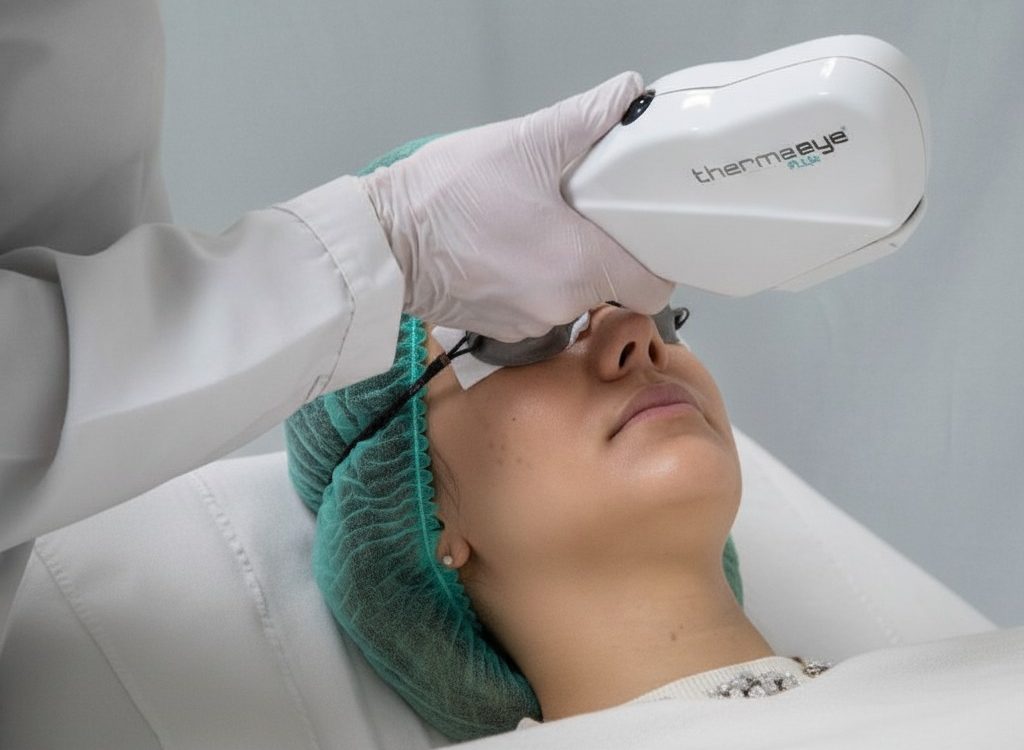
• IPL therapy – helps to reduce inflammation and improves meibum quality
6. Intense Pulsed Light Therapy
In Clio, IPL stands as a staple advanced therapy of ours. The system sends controlled light
pulses absorbed by hemoglobin in treating abnormal blood vessels around the lid margin.
7. Advanced & Adjunctive Procedures
Patients who are unresponsive to therapy might be considered for tear film reconstructive therapies, possibly using scleral/contact lenses for surface protection, or, in selected cases, minor ocular surface procedures.
Why Choose Clio Eye Care for Dry Eye?
At Clio Eye Care, we are completely unlike any other dry eye center. Dry eye management means much more to us than treating symptoms. We look at the underlying mechanisms and customize a treatment plan accordingly. Here’s what makes us different:
• Extensive Dry Eye Workup: From slit lamp and Schirmer’s test to NI-TBUT and advanced tools like IDRA and meibography, we assess every aspect of your eye health in detail.
• Granular Diagnostics: With IDRA and meibographer, we gain insight into every millimeter of the tear film and gland health for precision therapy.
• Advanced Treatment: Alongside conventional therapies, we also offer the IPL option, an advanced therapy addressing the root causes of inflammation and gland
dysfunction.
• Custom, Tiered Treatment Plans: Your management plan is not just a one plan fits all — it is built based on your test results, symptoms, lifestyle, and goals.
• Experienced Ophthalmologists: Our team of cornea and ocular surface experts maintain currency in dry eye techniques and research.
• Patient-Centered Care: We value everything related to patient education, follow-up, symptom tracking, and responsive adjustment of therapy.
At Clio Eye Care, we feel that dry eye should not be a life sentence of pain. We want to bring back comfort to the eyes, stability to the tear film, and clarity of vision through diagnostics and treatment interventions.
If you suffer from any of the symptoms above with persistent eye irritation, dryness, or burning sensations, in and out vision, etc., do not dismiss them.
Early diagnosis and targeted therapy will make the necessary changes that would shape
their prolonged well-being and affected quality of life.
Book your dry eye evaluation with Clio Eye Care today and reclaim comfortable, healthy eyes with the advanced diagnostics (IDRA, meibography), expert clinical assessment, and personalized therapy .